Food in Irish is bia (BEE-uh) and a drink is deoch (JUKH). To order, say Ba mhaith liom (buh WAH lum, "I'd like") plus the item, then le do thoil: Ba mhaith liom cupán tae, le do thoil means "I'd like a cup of tea, please."
This page gives you the everyday food and drink words in Irish (Gaeilge), the polite phrases for a café or a pub, and the small grammar change behind "a cup of tea" and "a pint of beer".
Irish words for food and drink
From breakfast to a pint in the evening, these are the words you will actually meet on menus, packaging and kitchen tables.
How to order in Irish: Ba mhaith liom…
Ba mhaith liom literally means "it would be good with me". It is the polite, natural way to ask for something, and it works for anything on the menu.
- Ba mhaith liom cupán tae, le do thoil. buh WAH lum KUP-awn TAY, leh duh HUL
- Ba mhaith liom pionta, le do thoil. buh WAH lum PYUN-tuh, leh duh HUL
- Ba mhaith liom gloine uisce, le do thoil. buh WAH lum GLIN-eh ISH-keh, leh duh HUL · I'd like a glass of water, please.
To offer something, flip it into a question with Ar mhaith leat…? (Would you like…?). Irish has no single word for yes or no, so you answer by repeating the verb:
- Ar mhaith leat cupán tae? er WAH lyat KUP-awn TAY · Would you like a cup of tea?
- Ba mhaith, go raibh maith agat. Yes, thanks.
- Níor mhaith, go raibh maith agat. No, thanks.
Round it off with and . Our pages on please in Irish and thank you in Irish cover the plural and extra-polite versions.
I like vs I'd like: Is maith liom or Ba mhaith liom?
This is the classic mix-up. One letter of difference in English, a whole different verb in Irish.
| Irish | English | When |
|---|---|---|
| Is maith liom tae. | I like tea. | In general, always |
| Ba mhaith liom tae. | I'd like tea. | Right now, an order or a wish |
| Is breá liom tae. | I love tea. | Strong liking |
| Ní maith liom caife. | I don't like coffee. | Dislike |
Notice maith becomes mhaith after ba: the past/conditional form of the verb softens the next word.
Ordering? Ba mhaith liom. Chatting about your taste? Is maith liom. Mix them up and the waiter just learns you like tea in general.
A cup of tea, a pint of beer: the "of" form
Irish has no separate word for "of" in phrases like these. Instead, the second noun sometimes changes its ending, a form called the genitive. Many common words stay the same, which makes this gentler than it sounds.
| Basic word | "A … of" phrase | English |
|---|---|---|
| tae | cupán tae | a cup of tea (no change) |
| bainne | gloine bainne | a glass of milk (no change) |
| fíon | gloine fíona | a glass of wine |
| beoir | pionta beorach | a pint of beer |
| cáis | ceapaire cáise | a cheese sandwich |
| glasraí | anraith glasraí | vegetable soup (no change) |
The pattern to notice: the main thing comes first and the "of what" comes second. Ceapaire cáise is literally "sandwich of cheese". In real life, plenty of people just say pionta and point, and you will be understood.
With milk, no sugar: le and gan
Two tiny words let you order exactly how you like it. le means "with" and gan means "without":
- tae le bainne, tea with milk
- caife gan siúcra, coffee without sugar
- caife dubh, black coffee (dubh is black)
- arán agus im, bread and butter
Put them after the order: Ba mhaith liom cupán tae le bainne, le do thoil. The colors used here, like dubh, dearg (red) and bán (white), are on our colors in Irish page, which is how fíon dearg and fíon bán get their names.
Meals of the day
- bricfeasta (BRIK-fass-tuh), breakfast. It is a borrowing of "breakfast", reshaped to Irish spelling.
- lón (LOHN), lunch.
- dinnéar (DIN-yayr), dinner.
- béile (BAY-leh), any meal.
A cultural note: in Ireland, people often call the evening meal "tea" in English ("What's for tea?"). That is Hiberno-English, the English spoken in Ireland, not Irish. The Irish word tae is first and foremost the drink.
In the café and the pub
A pub is a teach tábhairne (CHAKH TAW-wur-neh), literally "tavern house". A few phrases carry you through the evening:
- Sláinte! SLAWN-cheh Literally "health". The fuller toast is Sláinte mhaith! SLAWN-cheh WAH
- Tá sé blasta. taw shay BLASS-tuh
- An bille, le do thoil. un BIL-eh, leh duh HUL
For every way to raise a glass, from Sláinte is táinte to the reply, see cheers in Irish. Many of these words also turn up in casual speech; our Irish slang guide sorts the Irish-language words from the Hiberno-English ones.
Common mistakes
- Is maith liom when you mean Ba mhaith liom. Saying "Is maith liom pionta" to a barman tells him you like pints, not that you want one.
- Translating "of" word for word. There is no "cupán de tae". It is just cupán tae.
- Dropping the fada. The fada makes the vowel long: cáis (cheese) is KAWSH, and arán (bread) ends in a long RAWN.
- Saying uisce as "oo-iska". It is ISH-keh: the ui is a short "i" and sc before e sounds like "shk".
Food and drink in Irish culture
The most famous Irish food word you already know is whiskey. It comes from uisce beatha (ISH-keh BA-huh), "water of life", a translation of the Latin aqua vitae used for distilled spirits. You can see the entry for uisce in the Foclóir Gaeilge–Béarla on teanglann.ie.
The word bia is on official signs too: Ireland's food board is called Bord Bia. And a proverb every school student meets: Is maith an t-anlann an t-ocras, "hunger is a good sauce". Find more in our Irish proverbs collection, and read how hunger itself works in Irish (it sits on you) on the feelings in Irish page.
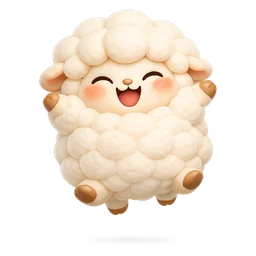
My favorite food? Féar (FAYR). That's grass. Very fresh, very local, zero calories... well, for a sheep.
Questions people ask
What is water in Irish?
Uisce (ISH-keh). A glass of water is gloine uisce.
What is tea in Irish?
Tae (TAY), and a cup of tea is cupán tae (KUP-awn TAY).
What is breakfast in Irish?
Bricfeasta (BRIK-fass-tuh). Lunch is lón and dinner is dinnéar.
How do you say "I'm hungry" in Irish?
Tá ocras orm, literally "hunger is on me". Thirsty is Tá tart orm.
Is "Sláinte" Irish or English?
It is Irish, meaning "health", and it is the standard toast. Scottish Gaelic has the close cousin slàinte, and plenty of English speakers in Ireland use it as a toast too.
Craic helps you go from single words like bia and deoch to ordering whole sentences, with a native-like voice for every word.
Get Craic for iPhoneKeep going
How to say cheers in Irish
Sláinte, sláinte mhaith, sláinte is táinte and the replies.
Read
How to say please in Irish
Le do thoil, le bhur dtoil and the formal más é do thoil é.
Read
Feelings in Irish
Tá áthas orm, tá brón orm, tá ocras orm: feelings that sit on you.
Read
Irish words by topic
Ten topic lists of everyday Irish words with pronunciation.
Read